
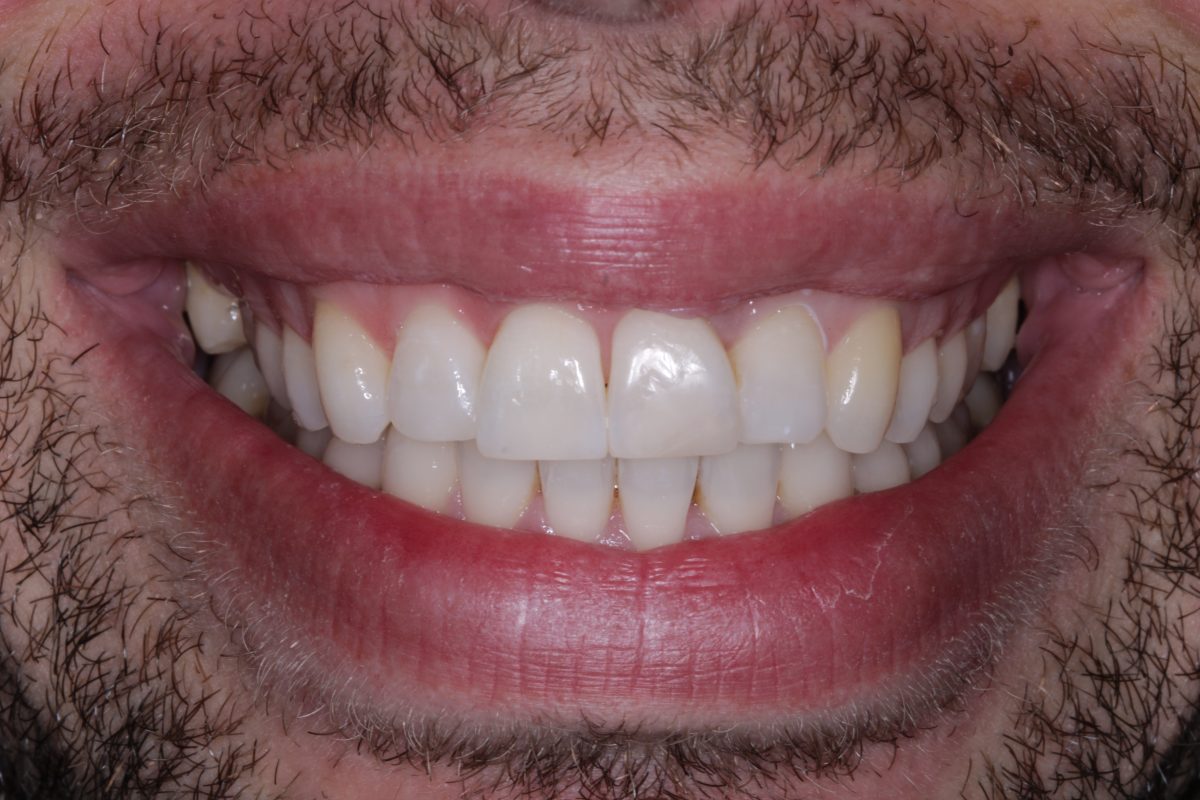
Dental issues can cause discomfort, affect your confidence, and even lead to more serious health problems if left untreated. Many people experience common dental problems such as toothaches, sensitivity, or gum issues at some point, but the good news is that most of these problems can be prevented with the right care.
At Khush Dental in Bishopbriggs, we help patients keep their teeth and gums healthy with expert advice and routine check-ups.
It’s easy to overlook minor dental discomfort, but ignoring early signs can lead to more severe issues that require extensive treatment. Understanding common dental problems and their causes can help you take the right steps to maintain good oral health.
Let’s take a closer look at some of the most common dental problems, what causes them, and how to avoid them.
1. Tooth Decay (Cavities)
Tooth decay is one of the most widespread dental issues, affecting people of all ages. According to the World Health Organisation (WHO), nearly 2.3 billion people worldwide have cavities in their permanent teeth.
Cavities form when plaque bacteria break down sugars, producing acid that erodes enamel. Over time, the damage worsens, leading to painful infections and even tooth loss if untreated.
Early signs of decay include white spots on the enamel, sensitivity to hot or cold foods, and mild discomfort when chewing. If left untreated, cavities can deepen, causing persistent pain and even leading to abscesses.
Regular dental visits allow early detection and treatment, preventing further complications.

Prevention:
- Brush twice daily with fluoride toothpaste to protect enamel.
- Limit sugary and acidic foods, which contribute to decay.
- Visit your dentist for regular check-ups and early treatment.
2. Gum Disease (Gingivitis & Periodontitis)
Gum disease is a major cause of tooth loss in adults. It begins with gingivitis, which causes red, swollen gums that may bleed when brushing or flossing. If not treated, it can progress to periodontitis, where the infection spreads deeper, damaging the bone that supports the teeth.
Research from the British Society of Periodontology shows that over 45% of adults in the UK suffer from some form of gum disease.
Symptoms of gum disease include persistent bad breath, receding gums, and loose teeth. In its early stages, gum disease can be reversed with good oral hygiene and professional cleanings.
However, advanced periodontitis often requires more intensive treatment, such as deep cleaning or even surgery.
Prevention:
- Floss daily to remove plaque between teeth.
- Use an antibacterial mouthwash to reduce bacteria.
- Avoid smoking, which significantly increases the risk of gum disease.
3. Bad Breath (Halitosis)
Persistent bad breath isn’t just embarrassing—it can indicate underlying dental problems such as gum disease, cavities, or dry mouth. The Oral Health Foundation reports that up to 50% of adults experience halitosis at some point.
While certain foods, like garlic and onions, can cause temporary bad breath, persistent halitosis often signals an issue with oral hygiene or overall health. Bacteria that accumulate on the tongue, gums, and teeth can produce foul-smelling sulphur compounds.
If brushing and flossing don’t help, it’s worth seeing a dentist to rule out infections or other conditions.
Prevention:
- Brush and floss daily, including cleaning your tongue.
- Stay hydrated to prevent dry mouth, which can worsen bad breath.
- If bad breath persists, book an appointment to check for underlying issues.
4. Tooth Sensitivity
Sensitivity to hot, cold, or sweet foods often results from worn enamel, gum recession, or cavities. A study published in the Journal of Clinical Periodontology found that nearly 40% of adults experience tooth sensitivity.
The pain from sensitivity can range from mild to severe and often worsens when consuming acidic or sugary foods. In some cases, teeth become more sensitive due to whitening treatments, frequent grinding, or aggressive brushing.
Addressing the underlying cause is key to managing sensitivity effectively.
Prevention:
- Use desensitising toothpaste and fluoride treatments.
- Avoid highly acidic foods and drinks that weaken enamel.
- Seek treatment for gum recession or cavities causing sensitivity.
5. Enamel Erosion
Acidic foods, beverages, and even aggressive brushing can wear down tooth enamel, making teeth more vulnerable to decay and sensitivity. Unlike cavities, which cause localised damage, enamel erosion affects the entire surface of the tooth and can’t be reversed.
Early signs include increased sensitivity, discolouration, and rounded edges on the teeth. Once enamel is lost, the underlying dentin is exposed, making teeth more prone to decay and staining.
Prevention:
- Rinse with water after consuming acidic foods or drinks.
- Use a straw for acidic drinks to minimise enamel exposure.
- Brush with fluoride toothpaste to strengthen enamel.
6. Toothaches
A persistent toothache can be a sign of cavities, infections, fractures, or gum disease. In some cases, severe pain indicates an abscess that requires urgent treatment.
Ignoring a toothache can lead to serious complications, including infections that spread to other parts of the body. Pain when biting, swelling, and fever are signs that immediate dental care is needed.
Prevention:
- Address minor dental issues before they worsen.
- Avoid grinding your teeth, which can lead to fractures.
- If pain becomes severe, book an emergency dentist appointment in Glasgow.
Keeping Your Smile Healthy
Most dental problems can be avoided with good oral hygiene and regular check-ups. At Khush Dental in Bishopbriggs, we offer expert care for both NHS and private patients to help you maintain a healthy smile.
If you’re experiencing any of these issues, book a consult with us today.
FAQ
Q. How often should I visit the dentist?
A. Most people should have a check-up every six months, though some may need more frequent visits depending on their oral health.
Q. What are the early signs of gum disease?
A. Red, swollen, or bleeding gums are common first symptoms. Persistent bad breath and receding gums may also indicate gum disease.
Q. Can tooth sensitivity be treated?
A. Yes. Desensitising toothpaste, fluoride treatments, and addressing the underlying cause can help reduce discomfort.
Q. What should I do if I have a toothache?
A. Call us today to book an appointment. Persistent pain may indicate decay, infection, or another issue that requires prompt care.
Don’t wait until small issues become big problems. Book an appointment with Khush Dental Practice in Bishopbriggs, Glasgow today.