
Thinking about getting dental implants can bring up a lot of questions, especially if you’re weighing up the cost against other treatment options. For many people, the idea of investing in something permanent to replace missing teeth feels like a big step and understandably so. It’s not just about appearances.
Missing teeth can affect how you eat, how you speak, and even how you feel about yourself. At our Bishopbriggs clinic, we speak to patients every week who are wondering whether dental implants are worth it.
Here at Khush Dental, we don’t believe in dancing around the issues. We will give you the honest facts about what’s involved, how much they cost, and why we think so many people in Glasgow are now choosing implants as their long-term solution for missing teeth.
Understanding Dental Implants
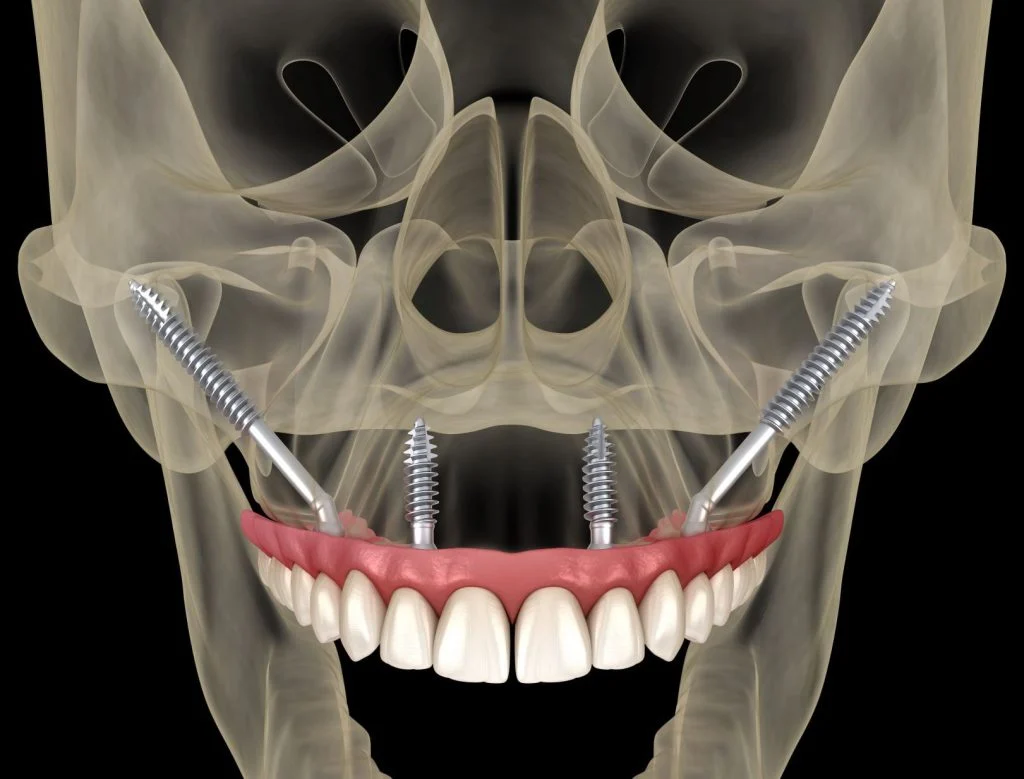
Dental implants are artificial tooth roots, typically made from titanium, surgically placed into the jawbone. Over time, they fuse with the bone, providing a sturdy foundation for replacement teeth. This integration ensures that the implant functions much like a natural tooth, both in appearance and performance.
The procedure involves multiple stages, starting with a comprehensive assessment to determine suitability. Factors like bone density, overall oral health, and medical history play an important role. Once approved for treatment, the implant is placed, followed by a healing period. A replacement tooth is then added once the implant has fully integrated with the bone.
At our clinic in Bishopbriggs, we’re open and transparent about every part of this process. You’ll have a clear treatment plan from the beginning, and our team will guide you through each step, from the initial consultation to long-term aftercare.
How Much Do Dental Implants Cost?
Dental implants are a long-term investment, and naturally, cost is one of the biggest factors when people are deciding whether or not they’re worth it. In the UK, a single dental implant, including the implant, abutment, and crown, usually costs between £1,800 and £3,000. That’s a wide range, and the final price can depend on several things: the clinic you choose, whether you need additional work like bone grafting, and the materials used for the crown.
For most patients, implants are a private treatment. The NHS only covers them in specific cases, such as for patients who can’t wear dentures due to medical reasons or have had facial reconstruction following trauma. You won’t usually be able to get implants on the NHS unless your dentist refers you for hospital-based care and it’s deemed clinically necessary (NHS).
At our clinic in Bishopbriggs, we’re open and transparent about the cost of dental implants. We’ll explain what’s included, whether any additional procedures are needed, and talk through payment options. While it can seem expensive upfront, we often find that patients view it as a long-term solution that works out better in value than repeated dental work or replacements over time.
The Benefits of Dental Implants
The main reason so many patients choose dental implants is that they act and feel like real teeth. That’s a big deal when you think about how much we rely on our teeth not just for chewing, but for speaking clearly and feeling confident when we smile. Unlike dentures, which can shift or feel bulky in the mouth, implants are fixed in place and don’t interfere with your everyday life.
They also help to maintain the natural shape of your face. When a tooth is lost, the jawbone in that area can begin to shrink over time. This doesn’t just affect your bite, it can change how your face looks. Dental implants stimulate the jaw in the same way as a natural tooth root, helping to prevent bone loss.
Another advantage is that they don’t affect the teeth next to them. A dental bridge, for example, relies on the surrounding teeth for support and may involve filing them down. Implants stand alone and don’t place any strain on your other teeth. That makes them a good option for long-term oral health as well as function and appearance.
Potential Risks and Considerations
While dental implants have a high success rate, it’s important to understand that they still involve a surgical procedure and a healing period. As with any medical treatment, there are risks involved. These can include infection, implant failure, or, in rare cases, nerve damage. The risk of complications is relatively low, particularly when the treatment is carried out by experienced professionals.
Certain health conditions can affect healing, including uncontrolled diabetes and autoimmune conditions. Smoking is another factor that increases the risk of implant failure, so patients may be advised to stop smoking before going ahead with treatment. The success of the procedure also depends on your oral hygiene habits, which need to be consistent and thorough after the implant has been placed.
Your dentist will go over all these considerations with you before treatment begins. That way, you’ll have a clear idea of what to expect and whether dental implants are the right solution for you.
Dental Implants Bishopbriggs, Glasgow
At our Bishopbriggs dental clinic, we provide dental implants for patients from Glasgow and the surrounding areas who want a more permanent solution to missing teeth. We take the time to explain the treatment fully, from your first consultation right through to aftercare. Every case is different, and our approach is always tailored to your individual needs.
We know that choosing to get dental implants is a big decision, so we don’t rush it. We carry out a full assessment of your oral health, including checking the strength of your jawbone and whether you need any additional treatment to support the implant. From there, we’ll map out a treatment plan that suits you—no pressure, no hard sell, just honest advice and experienced care.
Patients often tell us that being able to come to a trusted local clinic in Bishopbriggs makes the process far more reassuring. You’re not travelling into the city centre or dealing with large dental chains. We’re part of the community here and we treat every patient with the same level of care we’d want for our own families.
Frequently Asked Questions
Q. How long do dental implants last?
A. With proper care, dental implants can last 10 to 15 years or even longer (adi.org.uk).
Q. Are dental implants painful?
A. The procedure is carried out under local anaesthetic, and most patients report only minor discomfort afterwards. Over-the-counter pain relief is usually enough during recovery.
Q. Can anyone get dental implants?
A. Most adults with good general and oral health are suitable candidates. Your dentist will assess bone density and overall health before starting any treatment.
Q. What is the success rate of dental implants?
A. Dental implants have a high long-term success rate. According to the Association of Dental Implantology, the survival rate is typically over 95% (adi.org.uk).
Q. Do dental implants look natural?
A. Yes, they’re custom-designed to blend in with your other teeth in shape and colour.
Are Dental Implants Worth It? Final Thoughts
Dental implants offer a strong, long-lasting, and natural-looking way to replace missing teeth. While they do involve a higher upfront cost, the benefits often outweigh that initial spend, especially when you factor in the durability, comfort, and confidence they provide.
If you’re based in Bishopbriggs or nearby Glasgow and you’re exploring your options, we’re always happy to talk things through.
Book a consultation today to see if dental implants could be the right choice for you.